


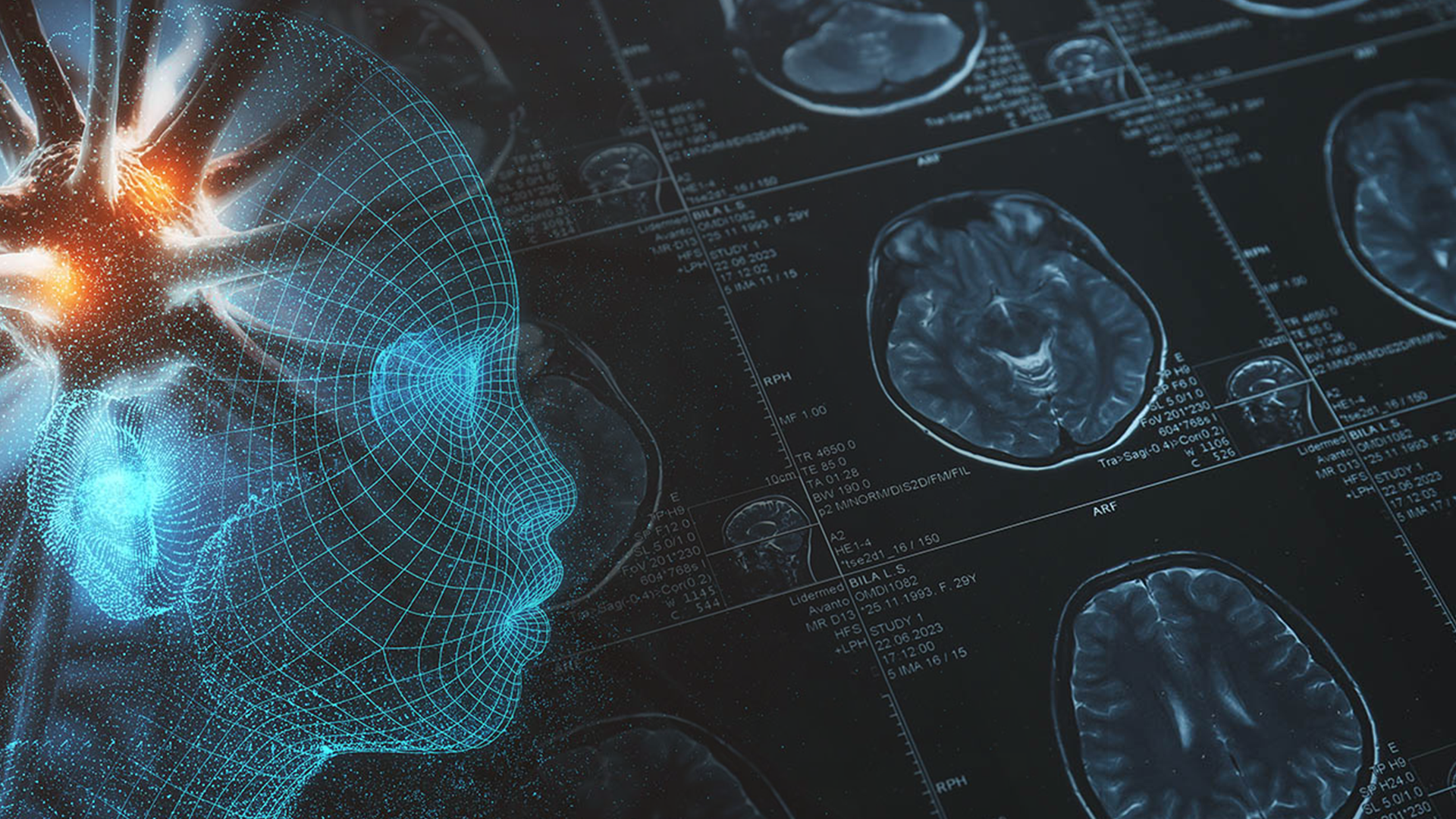
What Is Functional Acuity?

Functional Acuity is a measurement framework that evaluates how effectively your body executes and your brain regulates — not as isolated systems, but as an integrated whole.
Conventional medicine measures whether individual markers fall within population ranges. Functional Acuity measures something different: the coordination between systems. How clearly neural networks organize under demand. How efficiently signaling pathways communicate. How well physical execution reflects what your brain is actually directing.
This distinction matters. Two individuals can have identical lab panels and entirely different functional capacity. One recovers overnight; the other takes days. One sustains focus through a twelve-hour day; the other loses clarity by noon. The difference is not in what their labs show. It is in how their systems coordinate.
Functional Acuity reveals what standard testing cannot see: whether your systems are coordinating or compensating.


Three Domains. One Integrated Measurement.
Functional Acuity evaluates performance across three interconnected domains: Physical Function, Neural Regulation, and Cognitive Clarity. Each domain is measured through a dedicated instrument — FAA™, CAI™, and NPI — and each reveals a different layer of how your system operates under demand.
But the most important measurement is not any single domain. It is the integration between them — how physical capacity, neural signaling, and cognitive output coordinate as one system. When integration is strong, performance is stable and recovery is efficient. When integration is constrained, effort becomes expensive and clarity degrades — even when individual markers appear normal.

1
FAA™: Functional Acuity Assessment
FAA™ evaluates how effectively your body executes under real-world demand — not through isolated lab values, but through coordinated performance across integrated physiological indicators.
The assessment examines restorative sleep quality, energy stability across the day, inflammatory regulation, metabolic balance, cognitive clarity, and overall vitality. Each indicator is measured not just for whether it falls within a standard range, but for how it interacts with the others.

Clarity begins with measurement.

A normal glucose level means something different when sleep is fragmented. Stable energy means something different when inflammatory markers are elevated. FAA™ reads these relationships — the coordination between indicators, not just the indicators themselves.
You leave with measurable baseline scores that define where your physical function is stable and where signaling may be constrained. This baseline becomes the reference point for every clinical decision that follows.

Structure determines stability.
Where FAA™ evaluates what your body is doing, CAI™ examines the architecture underneath — how your brain networks organize, communicate, and coordinate under demand.
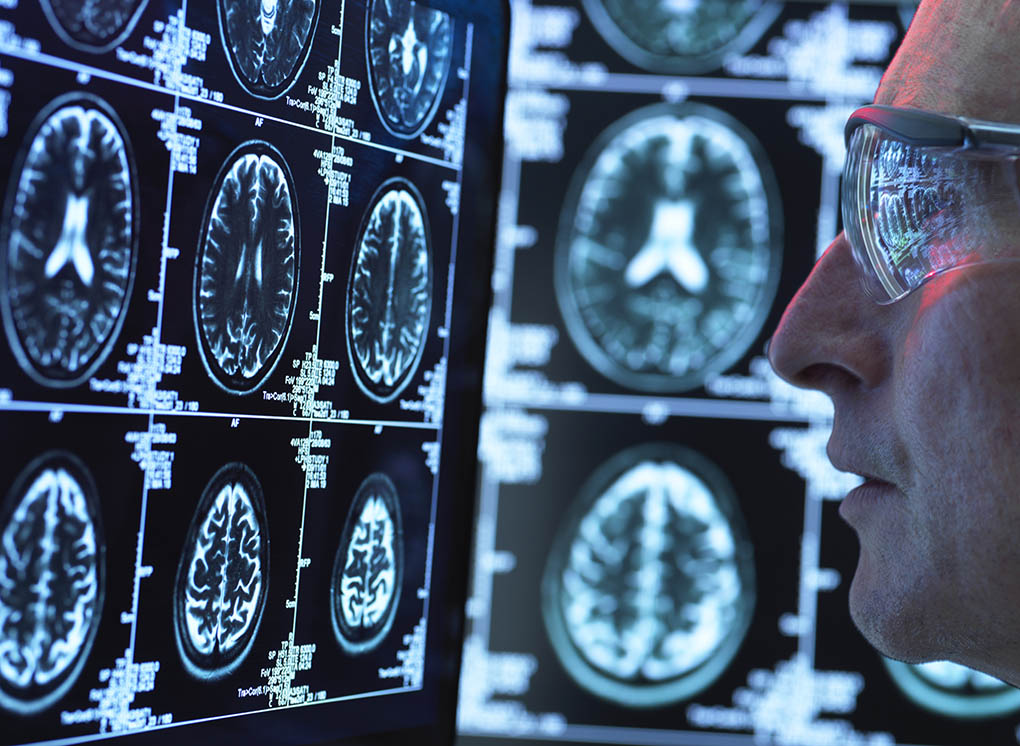
CAI™ reveals how executive networks manage cognitive load, how efficiently signaling pathways communicate between regions, and where coordination may be constrained. This is not a measure of intelligence or psychological profile. It is a structural lens into neural organization — the wiring that determines how clearly you think, how quickly you recover, and how stable your focus remains when demands escalate.The assessment examines restorative sleep quality, energy stability across the day, inflammatory regulation, metabolic balance, cognitive clarity, and overall vitality. Each indicator is measured not just for whether it falls within a standard range, but for how it interacts with the others.

2
CAI™: Cognitive Acuity Index
Two individuals can score identically on cognitive performance tests and have fundamentally different neural architecture. One sustains output through efficient coordination. The other sustains it through compensation — which is more metabolically expensive and less durable over time. CAI™ distinguishes between the two.
The result is a measurable reference point for tracking structural change — not just whether you feel sharper, but whether the architecture supporting clarity has actually improved.
3
NPI: Neural Pathway Integration
NPI translates measurement into intervention. Where FAA™ and CAI™ reveal what is happening and why, Neural Pathway Integration addresses it — refining the signaling pathways that govern coordination between physical execution and neural regulation.
Using precise points of input, NPI influences signaling coordination and network communication. The objective is not force — it is refinement. Each session is structured around your specific measurement profile, paced intentionally, and responsive to real-time feedback from your system.

Refinement protects durability.
Some inputs may feel briefly intense. Others produce warmth, tingling, shifts in awareness, or deep relaxation. These are not side effects — they are evidence that signaling pathways are being engaged and recalibrated.
Small improvements in neural coordination compound over time. A marginal increase in signaling efficiency between two networks can meaningfully improve clarity, shorten recovery, and stabilize performance under sustained demand. NPI is how measurement becomes durable change.

Establish Baseline
FAA™ and CAI™ define where your system is performing and where coordination may be constrained. You leave with measurable scores across physical function, neural regulation, and cognitive clarity — not subjective impressions, but structured data.
Design the Protocol
Dr. Rawlin and the clinical team review your measurement profile and design an NPI protocol specific to what your data reveals. No two protocols are identical because no two measurement profiles are identical.
Refine
Neural Pathway Integration sessions improve signaling precision and inter-network coordination. Sessions are paced intentionally, structured around your profile, and responsive to real-time feedback. Each session builds on the last.
Remeasure
Periodic reassessment through FAA™ and CAI™ tracks structural change — not just whether you feel sharper, but whether the architecture supporting clarity has measurably improved. This is how refinement becomes accountable.
Sustain
Long-term refinement protects cognitive durability as demands evolve. The system adapts with you — recalibrating protocols as your baseline shifts and your capacity expands. The objective is durable performance, not dependency on ongoing treatment.
Two Paths. One Standard of Measurement.
You already know something has shifted. The question is whether you need to understand what's working — or find what's been missed.
Optimize
You're performing well. You want to know what's underneath it. it.
Recovery takes longer than it used to. Sleep doesn't restore the way it once did. Mental clarity fluctuates without explanation. Nothing is clinically wrong — but the system that once ran effortlessly now requires more effort to sustain.

Common Questions
What to expect before, during, and after a Functional Acuity engagement.
What happens during a Functional Acuity Assessment?

How long does the initial assessment take?
What does a Neural Pathway Integration session feel like?
How quickly will I notice changes?
Is this covered by insurance?
How is this different from functional medicine?
Do I need a referral?

Discover Your Cognitive Acuity
01
Explore
Take the Cognitive Acuity Quiz. In two minutes, you'll receive a preliminary snapshot of how your system may be performing across physical function, neural regulation, and cognitive clarity. No login. No cost. No obligation.
02
Discuss
Schedule a brief introductory conversation. We'll review your snapshot, answer your questions, and determine whether a full assessment is the right next step.
03
Begin
If appropriate, your Functional Acuity Assessment is scheduled with Dr. Eric Rawlin and the clinical team at The Finery. Every engagement is structured privately and aligned with your professional and personal demands.
.avif)


