


Neuromusculoskeletal System
Physical Strength, Mobility, and Balance

Physical Strength, Mobility, and Balance
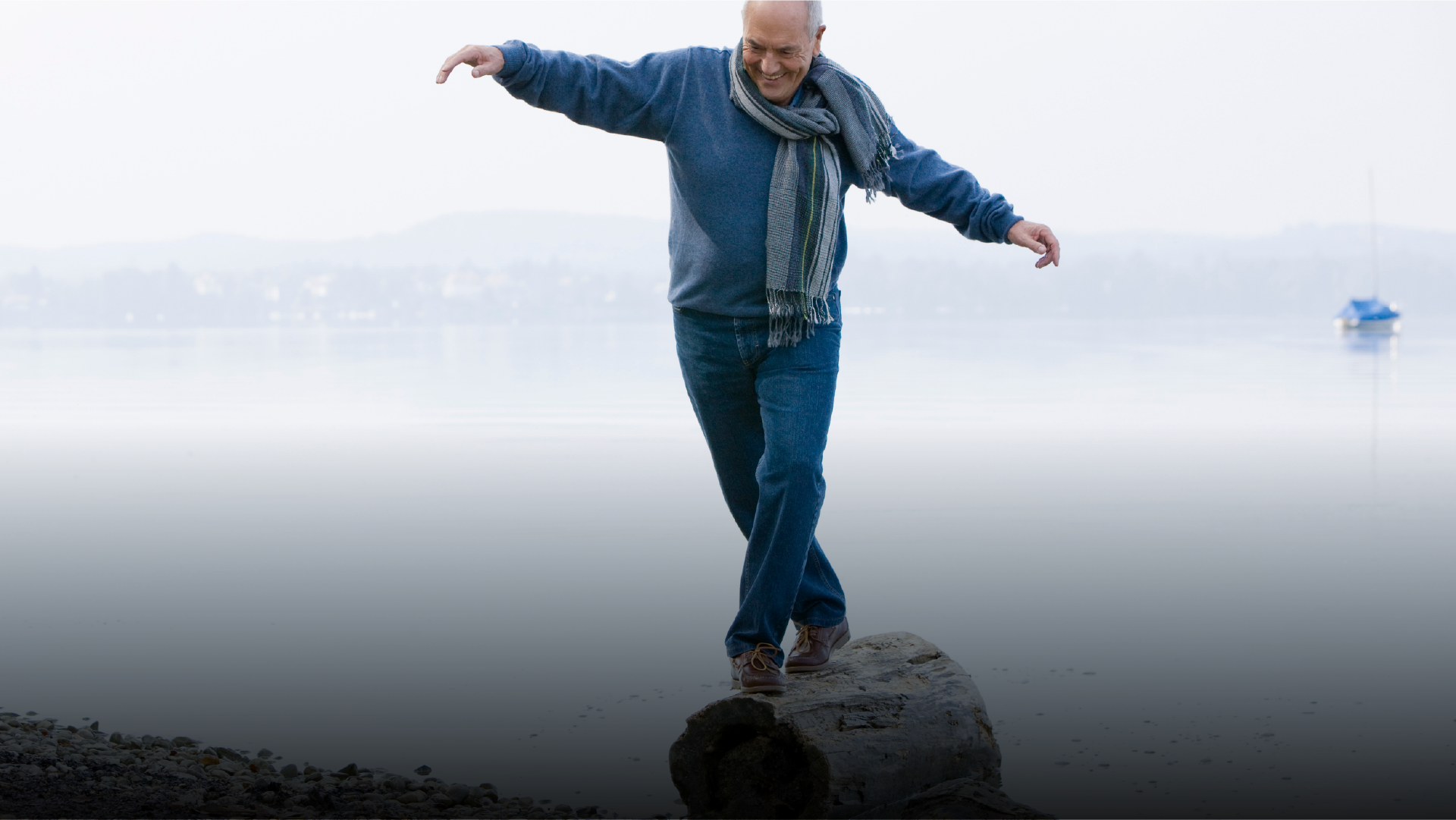
Physical decline is one of the most common experiences people accept as inevitable. The body feels stiffer than it used to. Movements that once felt effortless require more attention. Balance feels less reliable. Strength has quietly diminished in ways that are noticeable even if they are not yet limiting.
The assumption is that this is simply aging. That the body wears out and what is lost cannot be regained.
At The Finery, we see this differently. Physical strength, mobility, and balance are not simply measures of fitness or the passage of time. They are direct expressions of how clearly the brain is communicating with the physical system it governs. And when that communication is restored, the body frequently responds in ways that surprise people who had accepted decline as permanent.
What Physical Strength, Mobility, and Balance Actually Are
Every movement the body makes is a neural event before it is a physical one. The brain initiates movement by sending signals through the nervous system to the muscles, joints, and tissues responsible for executing it. The quality, accuracy, and efficiency of those signals determine how effectively the body moves, how completely it recovers, and how reliably it maintains stability under demand.
Physical strength is not simply a measure of muscle mass. It is a measure of how efficiently the brain can recruit and coordinate the muscles needed for a given movement. Mobility is not simply a measure of flexibility. It is a measure of how accurately the nervous system can regulate muscle tone and joint positioning throughout a range of motion. Balance is not simply a measure of core stability. It is a measure of how precisely the brain is integrating sensory information and directing the body's response in real time.
All three are expressions of the quality of neural communication between the brain and the neuromusculoskeletal system.

Why This Marker Matters to Your Whole System
Physical capability is not separate from Cognitive Acuity. The brain that directs your thinking is the same brain that directs your movement. When Cognitive Acuity is strong and neural communication is clear, the physical system has access to the full precision and coordination the brain is capable of providing. When Cognitive Acuity is compromised, physical function is compromised with it.

Physical strength, mobility, and balance also have a profound influence on every other marker of optimal health. Regular, well-coordinated physical activity supports cognitive function, emotional regulation, immune health, hormonal balance, sleep quality, and metabolic efficiency. The body is not a separate system from the brain. It is the brain's most complex and capable instrument of expression.
Protecting and optimizing physical capability is one of the most important investments available in long-term Functional Acuity, healthspan, and quality of life.
What Disruption Looks Like
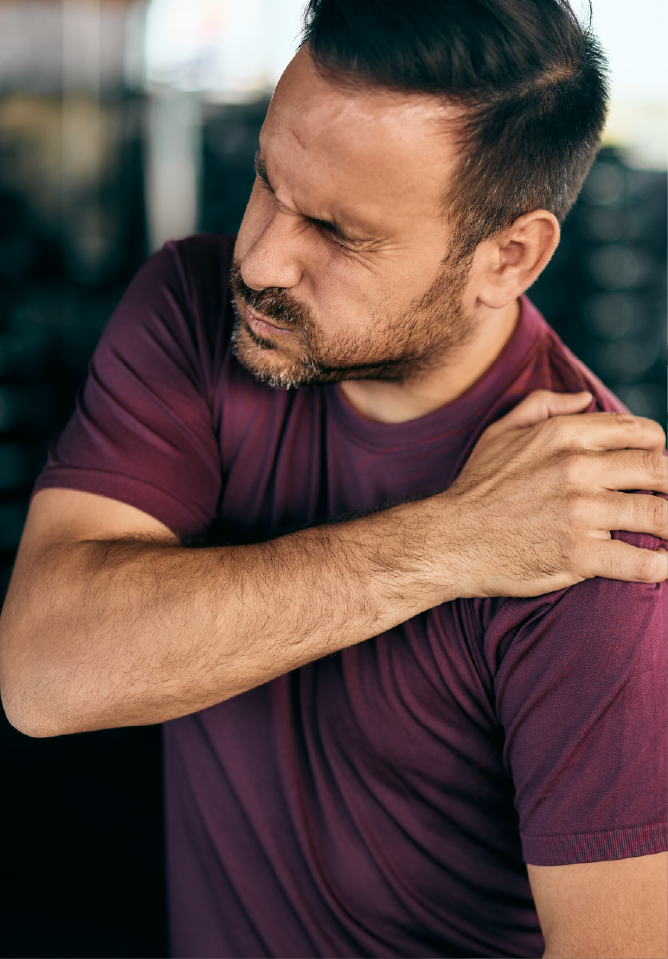
Disrupted physical strength, mobility, and balance often develops so gradually that people adapt to it without realizing how significant the cumulative change has become.
Common signs include stiffness that is present upon waking or after periods of stillness, reduced range of motion that limits everyday movements, a sense of physical effort that exceeds what the activity should require, compensation patterns such as favoring one side or avoiding certain movements, balance that feels less reliable than it once did, and a general sense that the body is less responsive, less coordinated, or less capable than it used to be.
Many of these signs are the body's intelligent adaptations to disrupted neural communication. The body compensates when signals are not arriving clearly. Over time, those compensations create their own limitations and vulnerabilities.
How The Finery Approaches Physical Strength, Mobility, and Balance
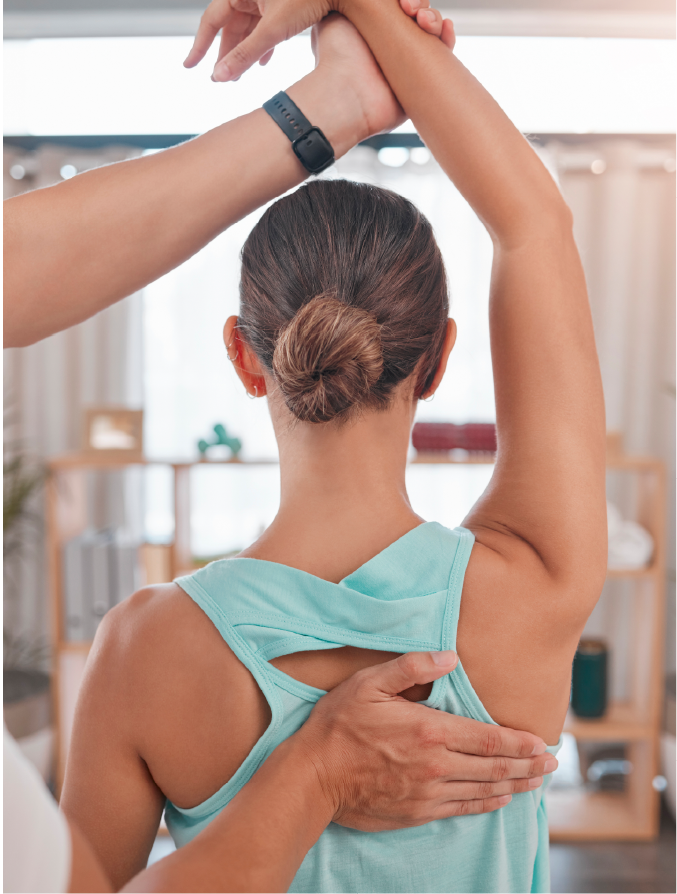
At The Finery, physical function is assessed through the Functional Acuity Assessment, which evaluates how effectively the body is executing what the brain is directing across a range of movement, coordination, and stability markers. Rather than treating physical limitations at the site of the symptom, we look at the quality of neural communication that is governing physical function and identify where that communication has become disrupted or inhibited.
Neural Pathway Integration (NPI) works directly with the neural pathways that govern movement, coordination, and physical regulation, restoring the accuracy and efficiency of the brain's communication with the neuromusculoskeletal system. When neural communication is restored, the body frequently recovers capabilities that had been lost not because of structural decline but because of disrupted signaling that was limiting what the body was being directed to do.
Live Your Finest
Here is a practice you can begin today that directly supports the neural communication governing physical function, balance, and coordination.
Once a day, stand on one foot for thirty seconds. No holding on. No leaning. Simply stand, focus your gaze on a fixed point at eye level, and allow your nervous system to do the work of keeping you stable. Switch feet and repeat. Do this every day.
Single leg balance is one of the most direct challenges to the brain-body communication system available. It requires real-time integration of visual, vestibular, and proprioceptive information and demands precise, continuous neural signaling between the brain and the physical system. Done consistently, it stimulates and strengthens exactly the neural pathways that govern coordination, stability, and physical responsiveness.
Thirty seconds. Each foot. Every day. Simple, free, and neurologically more powerful than most people expect. Begin today and notice what changes over time.


Thirty seconds. Each foot. Every day. Simple, free, and neurologically more powerful than most people expect. Begin today and notice what changes over time.
The science behind how
you actually feel.
you actually feel.
Monthly from Dr. Rawlin.


