


Your Health At Its Finest: Allergies

Your Body Is Reacting. Your Brain May Be the Reason Why.
Seasonal allergies. Food sensitivities. Environmental triggers that send your immune system into overdrive without warning. If you live with allergies, you have likely spent years managing reactions, reading labels, tracking seasons, and carrying medications everywhere you go just in case.
The sneezing, the congestion, the itching, the hives, the swollen eyes, and the fatigue that follow a significant reaction are familiar enough. What is less familiar is why some people's immune systems respond so dramatically to things that pose no real threat, while others move through the same environment entirely unaffected.
The answer, more often than most people realize, begins in the brain.
What Allergies Actually Are
An allergic response is the immune system misidentifying a harmless substance as a threat and mobilizing a significant defensive response against it. The sneezing, inflammation, and discomfort that follow are not caused by the allergen itself. They are caused by the immune system's reaction to it.
What is less widely understood is that the immune system does not operate independently. It is regulated, modulated, and directed in significant part by the nervous system and the brain. The neural pathways that govern immune function constantly communicate with the systems that determine how aggressively and how appropriately the body responds to perceived threats.
When those pathways are functioning clearly and efficiently, the immune system's responses are calibrated and proportionate. When neural communication becomes disrupted, the immune system can become dysregulated, responding to harmless triggers with a force and frequency that serves no protective purpose and significantly affects quality of life.

Common Contributing Factors
Allergic responses are shaped by a combination of genetic predisposition, environmental exposure, and the current state of the nervous system's regulatory capacity.

Chronic stress places sustained demand on the nervous system, directly affecting immune regulation and lowering the threshold at which allergic responses are triggered. Disrupted sleep impairs the body's ability to regulate inflammation and immune activity overnight, leaving the system more reactive during waking hours.
Gut microbiome imbalance affects immune calibration in ways that are now well established in the research literature. Early or accumulated exposure to environmental triggers sensitizes the immune system over time. And nervous system dysregulation, the state in which the brain's regulatory pathways are operating under strain, creates the conditions in which the immune system loses some of its capacity for proportionate and accurate response.

How The Finery Approaches Allergies
The immune system and the nervous system are in continuous and intimate communication. What happens in one directly affects what happens in the other.
At The Finery, we approach allergic reactivity not as an isolated immune system problem but as a whole system regulatory challenge. When the brain's communication with the systems that govern immune function is disrupted, the immune system loses access to the precise regulatory signals it depends on to respond proportionately and accurately to its environment.
Restoring that communication is where meaningful change begins.
What the Cognitive Acuity Scan Reveals
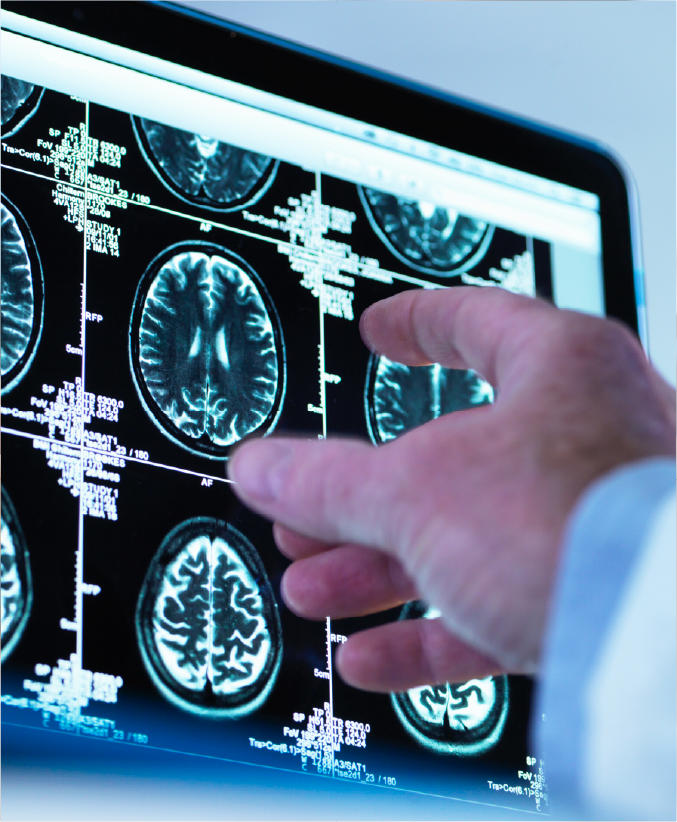
The Cognitive Acuity Scan analyzes thirty-three white matter markers inside the brain using advanced diffusion tensor imaging technology. For someone living with chronic or significant allergic reactivity, the scan provides a precise picture of where the neural pathways governing immune regulation, autonomic nervous system function, and inflammatory modulation may be compromised.
These are the pathways through which the brain communicates with the immune system. When their integrity is disrupted, the immune system is operating without the full regulatory guidance it needs. The scan allows Dr. Rawlin to see exactly where that disruption is occurring and what it means for the specific pattern of reactivity the client is experiencing.
How NPI Supports Improvement
Neural Pathway Integration (NPI), created by Dr. Eric Rawlin over two decades of dedicated clinical practice, works directly with the neural pathways identified through the scan.

Through precise, non-invasive, hands-on input, NPI supports the nervous system in reestablishing clearer communication across the regulatory pathways that govern immune function and inflammatory response.
As those pathways become more efficient and the brain's regulatory signals become more precise, the immune system receives clearer direction. The hypervigilance that produces disproportionate allergic responses begins to ease. And the body's capacity to distinguish genuine threats from harmless environmental substances becomes more accurate over time.

What Clients Often Notice
The relationship between neural pathway restoration and immune regulation is gradual and deeply individual. What clients living with allergies and immune reactivity often notice over the course of care includes a reduction in the frequency and severity of allergic responses to familiar triggers. A greater sense of ease and resilience in environments that previously required significant management and avoidance. Reduced inflammatory responses, including less congestion, swelling, and skin reactivity following exposure. Improved energy levels as the body is no longer spending its resources managing constant low-grade immune activation.
A feeling that the immune system is responding more proportionately and more intelligently to its environment. And a quiet but significant expansion of the daily freedom that chronic allergic reactivity had been steadily narrowing.
These are not outcomes we promise. They are what clients have shared, and they reflect what becomes possible when the neural communication that guides immune regulation is restored and supported with clinical precision.

Start with the quiz.
Take the Cognitive Acuity Quiz at theFineryus.com to discover how your brain is functioning across ten key markers of optimal health. It takes two minutes, it is free, and it gives you a meaningful starting point for understanding what may be contributing to what you are experiencing.
Take the Quiz

Speak directly with Dr. Rawlin.
Book a Discovery Call at theFineryus.com to have a genuine conversation about your situation, your symptoms, and how The Finery's approach may be able to support you. No obligations and no pressure. Simply the most informed conversation about your health you have had access to.
Book Discovery Call
The science behind how
you actually feel.
you actually feel.
Monthly from Dr. Rawlin.


