


Your Health At Its Finest: Chronic Pain


Living With Chronic Pain. When the Signal Never Turns Off.
Pain is a signal. In its most fundamental biological function, it exists to alert the brain to damage or threat and to prompt a protective response. Acute pain serves this purpose precisely. It arrives, it communicates, and when the underlying issue resolves, it subsides.
Chronic pain does not follow this pattern. In chronic pain, the signal persists long after the original injury or trigger has resolved, or in many cases, with no identifiable structural cause at all. The nervous system continues to transmit pain signals not because damage is ongoing, but because the neural pathways responsible for processing and regulating those signals have become disrupted, sensitized, or dysregulated.
Chronic pain is not imagined. It is not exaggerated. It is a measurable neurological phenomenon with a precise and identifiable source in the brain and nervous system. And understanding it as such is the first step toward addressing it differently.
What Chronic Pain Actually Is
The experience of chronic pain reflects a nervous system that has become locked in a pattern of sustained pain signal transmission that no longer accurately represents the state of the body it is monitoring.
Central sensitization, the process by which the brain and spinal cord become hyperresponsive to pain signals over time, is one of the most well-documented mechanisms underlying chronic pain conditions. When the neural pathways governing pain processing, signal modulation, and regulatory response become compromised, the threshold at which pain is perceived lowers. Sensations that would not previously have registered as painful become acutely uncomfortable. Pain that should resolve continues. And the nervous system, rather than returning to a regulated baseline, remains in a state of heightened and exhausting vigilance.

Common Contributing Factors
Chronic pain develops across a wide range of circumstances and rarely has a single identifiable cause.

Previous injury or trauma can initiate central sensitization that persists long after tissue healing is complete. Chronic inflammation sustains the neurological environment in which pain sensitization develops and is maintained. Prolonged stress dysregulates the nervous system's capacity to modulate pain signals appropriately. Disrupted sleep impairs the brain's natural pain regulatory processes that occur during restorative rest. Autoimmune and inflammatory conditions create an ongoing neurological load that affects pain-processing pathways. And in many cases, the accumulation of multiple factors over time creates a pattern of nervous system dysregulation that sustains chronic pain independently of any single ongoing physical cause.
How The Finery Approaches Chronic Pain
Pain is processed, modulated, and regulated by the brain. The neural pathways governing that process are among the most complex and consequential in the human nervous system. When those pathways become disrupted, the brain's ability to accurately assess, regulate, and resolve pain signals is directly compromised.
At The Finery, chronic pain is approached as a neural communication challenge rather than purely a structural or symptomatic one. The question we ask is not simply where it hurts but what is happening in the brain's pain-processing and regulatory networks that is sustaining the experience of pain beyond its original purpose.
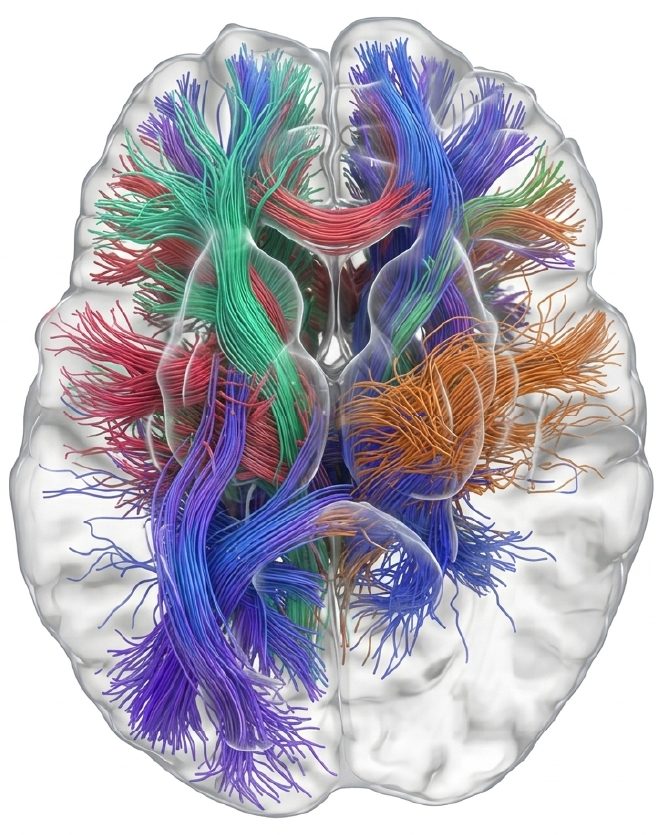
What the Cognitive Acuity Scan Reveals
The Cognitive Acuity Scan analyzes thirty-three white matter markers inside the brain using advanced diffusion tensor imaging technology.

For someone living with chronic pain, the scan provides a precise picture of where the neural pathways governing pain signal processing, regulatory modulation, and autonomic nervous system function have become compromised.
The scan gives Dr. Rawlin a precise and clinically specific picture of what is happening inside the brain that standard neurological evaluations are not designed to reveal. That specificity is what makes targeted and meaningful intervention possible.
Find Out How We Can Help You
At The Finery, every person who walks through our door is met with the same commitment. To look deeper than the symptom, to understand what the brain is actually showing us, and to apply the most precise and invested clinical care available to support meaningful and lasting improvement. Your finest health is what we care about. And it begins with giving your brain what it needs to lead the way.
If what you have read resonates with what you are experiencing, there are several ways to take the next step with The Finery.

Start with the quiz.
Take the Cognitive Acuity Quiz at theFineryus.com to discover how your brain is functioning across ten key markers of optimal health. It takes two minutes, it is free, and it gives you a meaningful starting point for understanding what may be contributing to what you are experiencing.
Take the Quiz

Speak directly with Dr. Rawlin.
Book a Discovery Call at theFineryus.com to have a genuine conversation about your situation, your symptoms, and how The Finery's approach may be able to support you. No obligations and no pressure. Simply the most informed conversation about your health you have had access to.
Book Discovery Call
The science behind how
you actually feel.
you actually feel.
Monthly from Dr. Rawlin.


