


Your Health At Its Finest: Memory


When Memory Becomes Something You Notice. What Your Brain Is Telling You Deserves Attention.
Memory is not a single function housed in a single location. It is a complex and distributed process involving multiple brain regions working in precise coordination. The hippocampus encodes new memories. The prefrontal cortex organizes and retrieves them. The white matter networks connecting these regions carry the signals that make memory formation, storage, and retrieval possible.
When the integrity of those networks becomes compromised, memory function is affected in ways that are measurable long before they become clinically diagnosable. The gradual erosion of white matter integrity, detectable through advanced imaging, is one of the most well-established early indicators of cognitive vulnerability. And it is present in millions of people whose standard neurological evaluations show nothing of concern.
Memory decline is not an event. It is a process. And processes can be measured, addressed, and supported when the right tools are available.
For most people, the first signs arrive quietly. A name that takes longer than it should to come. A word that was just there and then simply was not. A moment of standing in a room, genuinely uncertain of what brought you there. Small things, easily explained away. But you notice. And somewhere underneath the reasonable explanations, a quieter question lives. One that most people do not say out loud because saying it makes it feel more real than they are ready for.
Memory concerns touch identity, independence, and the future in ways that few other health experiences do. They deserve to be taken seriously, investigated precisely, and addressed with the full clinical intelligence that the brain responsible for them deserves.
What Memory Decline Actually Is
Memory is supported by a vast and precisely organized network of neural pathways that connect the brain's memory encoding, storage, and retrieval regions. When white matter integrity across those pathways begins to erode, the speed, accuracy, and reliability of memory function are directly affected.
The experience of forgetting names, losing words mid-sentence, or feeling cognitively slower than you once were is the felt expression of disrupted neural communication across those networks. It is not imagination. It is not simply aging. It is a measurable change in the brain's communication infrastructure that standard neurological evaluations are often not sensitive enough to detect until it is significantly advanced.

Common Contributing Factors
Memory function is shaped by the cumulative health of the neural networks it depends on, and those networks are influenced by many factors simultaneously.

Age-related changes in white matter integrity reduce the speed and precision of neural communication. Chronic sleep disruption prevents the brain from completing the memory consolidation processes that occur during deep sleep, the nightly maintenance that keeps memory networks functioning efficiently. Sustained stress elevates cortisol over extended periods, directly affecting hippocampal function and the encoding of new memories. Vascular factors, including blood pressure dysregulation and reduced cerebral blood flow, affect the health of the neural environment in which memory networks operate. Inflammatory processes compromise the clarity of neural signaling across memory pathways. And accumulated neurological load over time creates a pattern of gradual degradation that compounds quietly and consistently until it becomes impossible to ignore.

How The Finery Approaches Memory and Cognitive Decline
The most important thing to understand about memory decline is that by the time it becomes noticeable in daily life, the underlying neural pathway changes that produced it have typically been developing for years.
This is both a sobering reality and a genuinely hopeful one. Sobering because it means the changes began earlier than most people realize. Hopeful because it means that addressing those changes now, with clinical precision and the right tools, is an act of meaningful and timely intervention rather than a response to something already lost.
At The Finery, we begin with the neural pathways themselves. Not with the memory symptoms they produce.
What the Cognitive Acuity Scan Reveals
The Cognitive Acuity Scan analyzes thirty-three white matter markers inside the brain using advanced diffusion tensor imaging technology. For someone experiencing memory concerns or early cognitive changes, the scan provides a precise and objective picture of where the neural pathways governing memory formation, retrieval, and cognitive integration have become compromised.
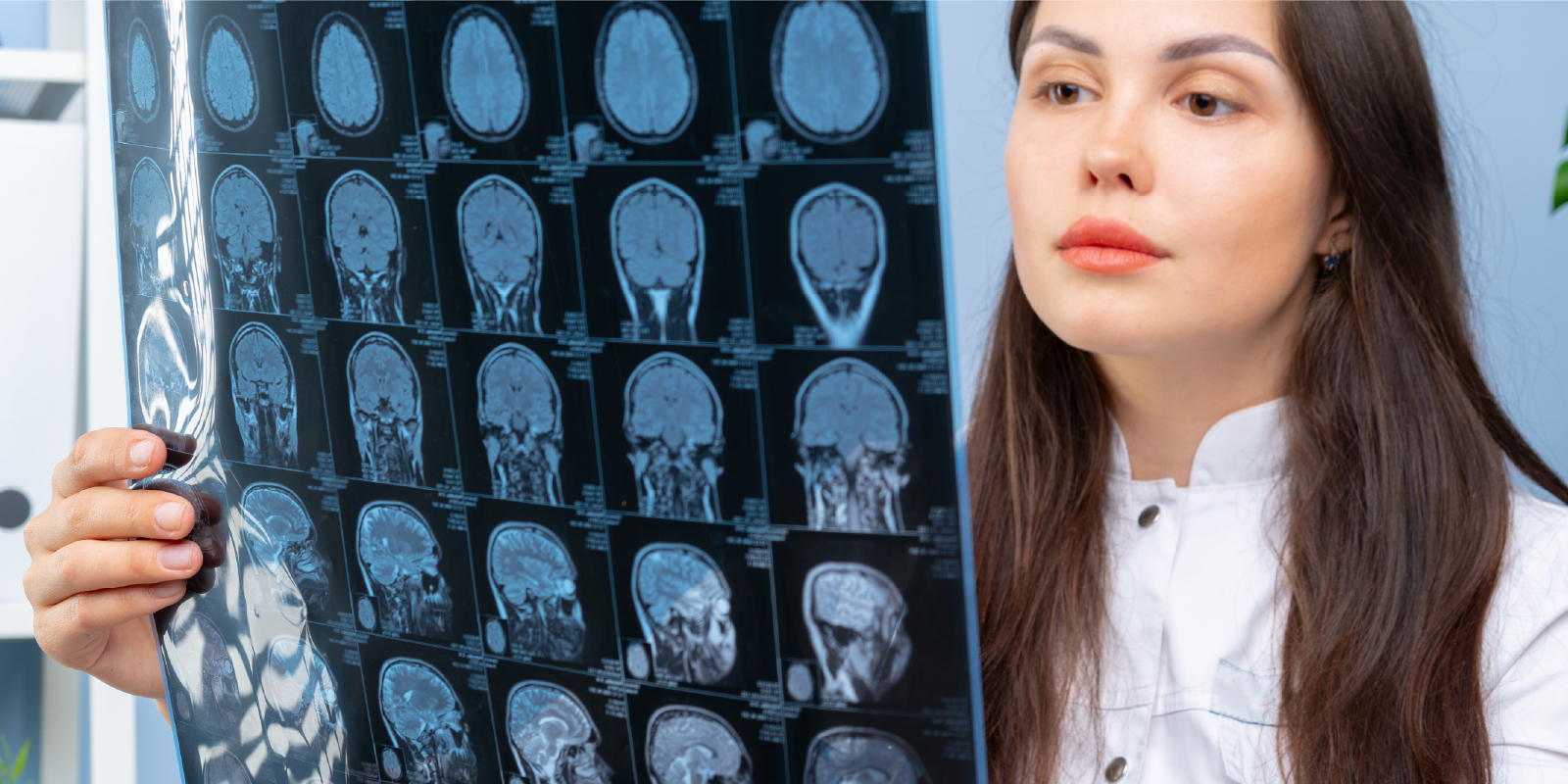
This includes the fiber tracts connecting the hippocampus to the prefrontal cortex, the networks governing processing speed and information integration, and the broader white matter infrastructure that supports sustained cognitive function over time.
What makes this scan clinically significant is what it reveals that standard neurological evaluations cannot. The specific pattern of neural pathway disruption that is producing the memory experience the client is living with right now. And the trajectory that pattern suggests if it continues unaddressed.
For the first time, the question of what is actually happening inside the brain that produces memory concerns has a precise and measurable answer.
How NPI Supports Improvement
Neural Pathway Integration (NPI), created by Dr. Eric Rawlin over two decades of dedicated clinical practice, works directly with the neural pathways identified through the scan. Through precise, non-invasive, hands on input, NPI supports the nervous system in reestablishing clearer and more efficient communication across the memory and cognitive processing networks that have become compromised.
As the integrity of those pathways improves, the brain's capacity to encode, store, and retrieve information becomes better supported. The neural environment in which memory function operates becomes more efficient and more resilient. And the trajectory of gradual degradation that unaddressed white matter compromise represents begins to shift in a more supportive direction.

The goal is not simply to manage what memory decline has already produced. It is to give the brain the precise clinical support it needs to restore function and protect what remains.
What Clients Often Notice
Every person's experience with memory and cognitive change is deeply individual, shaped by their unique neurological profile, their age, and the specific pattern of white matter disruption their scan reveals. What clients working with Dr. Rawlin on memory and cognitive concerns often notice over the course of care includes improved ease and speed of word and name retrieval in conversation.
Greater clarity and reliability in short-term memory function for daily tasks and appointments. Improved processing speed and the sense that thinking is less effortful and more fluid than it had become. A reduction in the moments of disorientation or blankness that had begun arriving with unsettling regularity. Greater confidence in cognitive function during demanding situations. And a meaningful sense of reassurance that comes from finally understanding what is happening inside the brain and knowing that it is being actively and precisely supported.

These are not outcomes we promise. They are what clients have shared, and they reflect what becomes possible when the neural pathways that memory depends on are given the clinical attention and support they deserve.
Find Out How We Can Help You
At The Finery, every person who walks through our door is met with the same commitment. To look deeper than the symptom, to understand what the brain is actually showing us, and to apply the most precise and invested clinical care available to support meaningful and lasting improvement. Your finest health is what we care about. And it begins with giving your brain what it needs to lead the way.
If what you have read resonates with what you are experiencing, there are several ways to take the next step with The Finery.

Start with the quiz.
Take the Cognitive Acuity Quiz at theFineryus.com to discover how your brain is functioning across ten key markers of optimal health. It takes two minutes, it is free, and it gives you a meaningful starting point for understanding what may be contributing to what you are experiencing.
Take the Quiz

Speak directly with Dr. Rawlin.
Book a Discovery Call at theFineryus.com to have a genuine conversation about your situation, your symptoms, and how The Finery's approach may be able to support you. No obligations and no pressure. Simply the most informed conversation about your health you have had access to.
Book Discovery Call
The science behind how
you actually feel.
you actually feel.
Monthly from Dr. Rawlin.


