


Your Health At Its Finest: Neuropathy
.png)

Living With Neuropathy. Your Nerves Are Needing Support.
The peripheral nervous system is one of the most extensive and intricate communication networks in the human body. Billions of nerve fibers carry signals between the brain and every region of the body, governing sensation, movement, temperature regulation, and the automatic functions the body performs without conscious effort. When those fibers are functioning clearly and efficiently, the body responds accurately and reliably to the signals it receives.
When these functions are not working efficiently, the body's experience changes fundamentally. Signals that should travel cleanly become distorted, incomplete, or misdirected. The result is the full and deeply personal spectrum of sensations that neuropathy produces.
Neuropathy affects an estimated twenty million Americans. For many, it arrives without a clear explanation, persists despite conventional treatment, and quietly diminishes the quality of daily life in ways that are deeply personal and often invisible to everyone around them.
If you are living with neuropathy, you already know that the experience is difficult to fully explain to someone who has not felt it. The burning and tingling that comes and goes without warning. The numbness that makes ordinary sensation unreliable. The sensitivity that makes touch feel unbearable. The weakness that makes simple tasks more effort than they should be. And the fluctuating, unpredictable nature of it all makes planning and functioning feel genuinely difficult.
What Neuropathy Actually Is
Neuropathy occurs when the peripheral nerves, the vast communication network that carries signals between the brain and the rest of the body, become damaged, disrupted, or unable to transmit signals clearly and efficiently.
These nerves are responsible for sensation, movement, and the automatic functions the body performs without conscious effort. When their ability to communicate is compromised, the signals they carry become distorted, incomplete, or misdirected. The result is the full spectrum of sensations and limitations that neuropathy produces.
What is less widely understood is that the peripheral nerves do not operate independently. They are directed and regulated by the brain and central nervous system. When the brain's capacity to send clear and precise signals through those pathways becomes compromised, the peripheral nerves are among the first places where the disruption becomes felt.

Common Contributing Factors
Neuropathy develops for many reasons and often involves more than one contributing factor simultaneously.
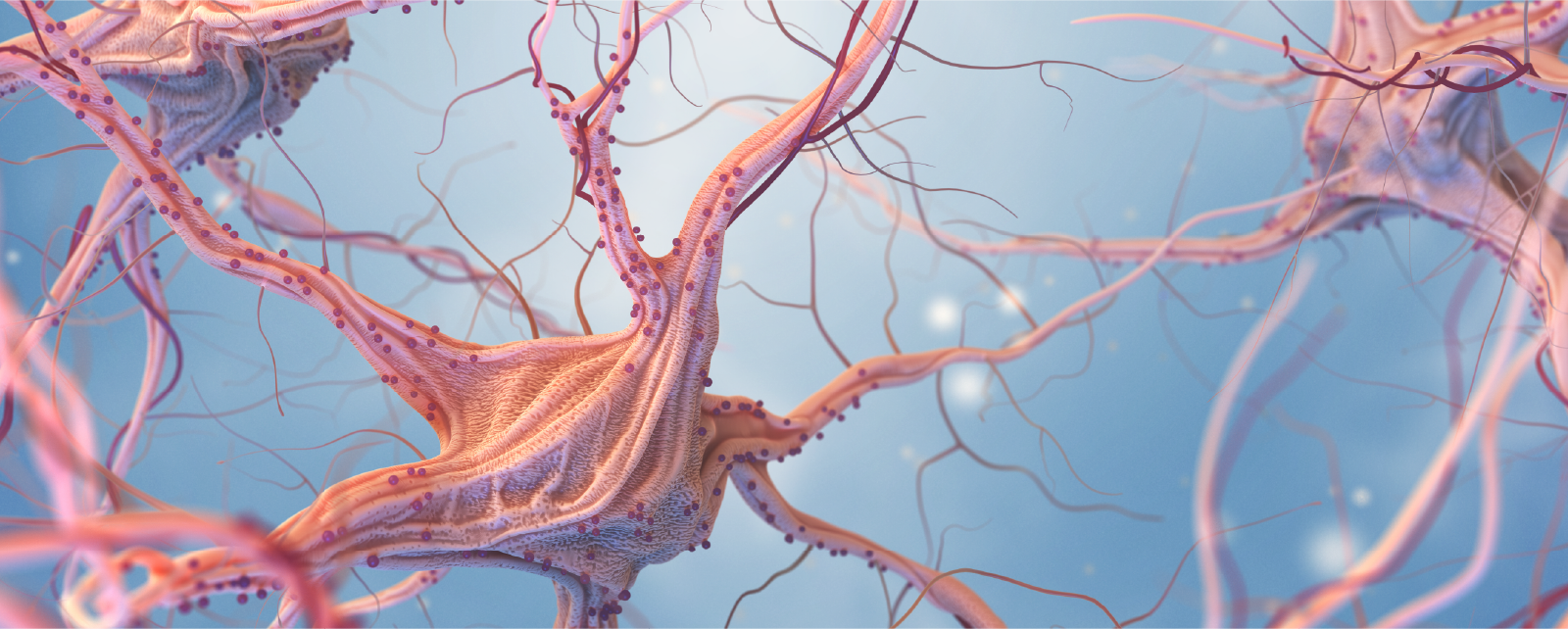
Diabetes and blood sugar dysregulation are among the most common contributors, affecting the integrity of nerve fibers over time. Chronic inflammation, whether from autoimmune conditions, infection, or persistent systemic stress, can disrupt the environment in which nerves function. Nutritional deficiencies essential for nerve health are frequently involved. Physical injury or compression that disrupts nerve pathways contributes in many cases. Exposure to certain medications or toxins over time can affect nerve function. Chronic nervous system dysregulation creates conditions in which peripheral nerve communication becomes increasingly compromised over time. And in a significant number of cases, the precise contributing factor remains unidentified, leaving patients with significant symptoms and no clear clinical explanation.

How The Finery Approaches Neuropathy
At The Finery, we begin where most approaches to neuropathy do not. With the brain.
The peripheral nerves that neuropathy affects are part of a vast communication system directed by the brain and central nervous system. When the brain's ability to send clear and precise signals through that system becomes compromised, the peripheral nerves are among the first places where the disruption is felt. Addressing neuropathy at the level of the brain's communication pathways rather than at the site of symptoms changes what becomes possible in terms of meaningful and lasting improvement.
What the Cognitive Acuity Scan Reveals
The Cognitive Acuity Scan analyzes thirty-three white matter markers inside the brain using advanced diffusion tensor imaging technology.
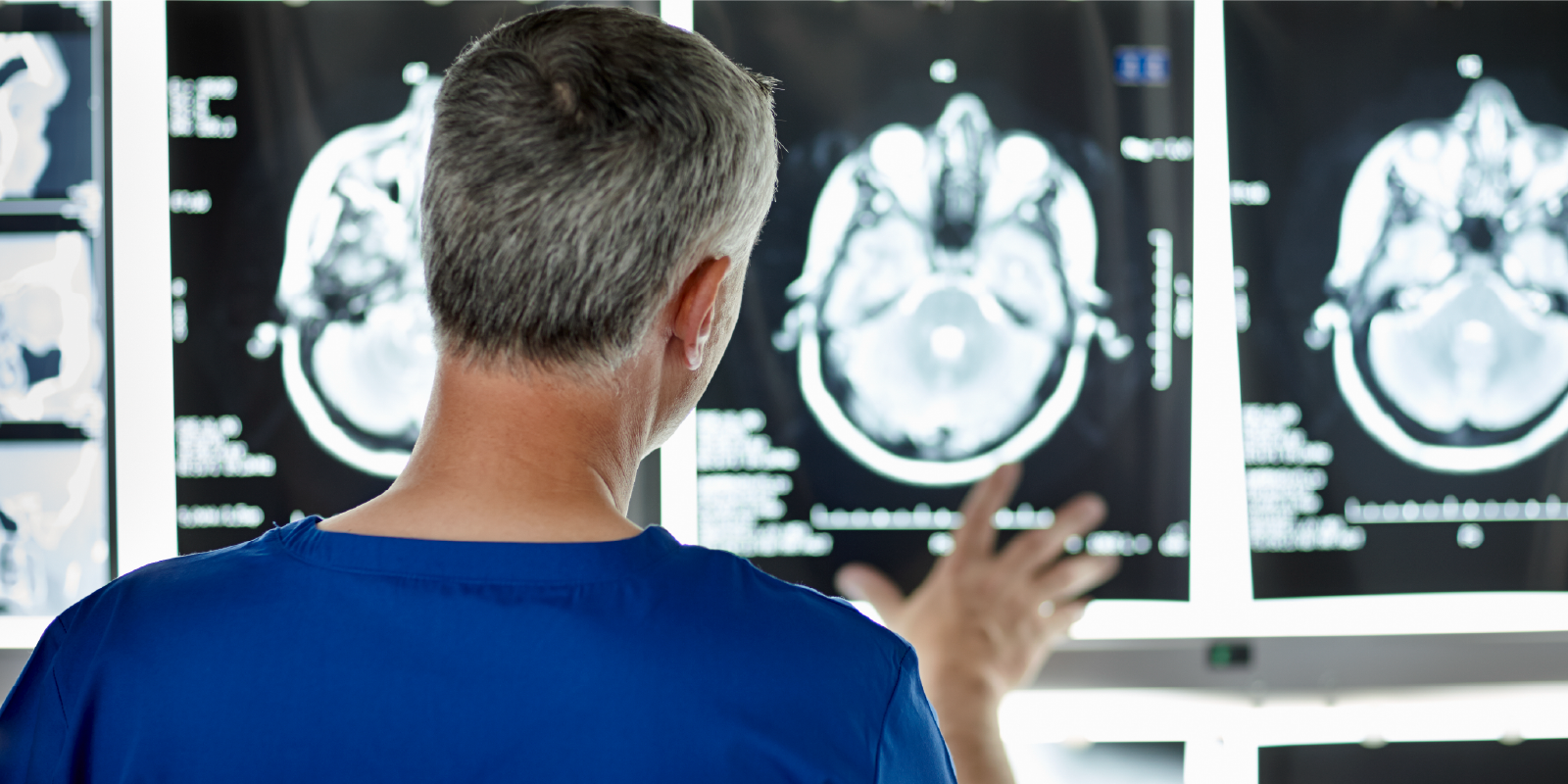
For someone living with neuropathy, the scan provides a precise picture of where the neural pathways governing peripheral nerve communication, autonomic function, and sensory signal processing have become compromised.
The scan gives Dr. Rawlin a precise and clinically specific picture of what is happening inside the brain that standard neurological evaluations are not designed to reveal. That specificity is what makes targeted and meaningful intervention possible.
How NPI Supports Improvement
Neural Pathway Integration (NPI), created by Dr. Eric Rawlin over two decades of dedicated clinical practice, works directly with the neural pathways identified through the scan. Through precise, non-invasive, hands-on input, NPI supports the nervous system in reestablishing clearer and more efficient communication between the brain and the peripheral nerves that neuropathy affects.
As the integrity of those pathways improves and the brain's signals become clearer and more precisely organized, the body has a stronger foundation from which to regulate, adapt, and restore function in the areas that neuropathy has disrupted. The peripheral nerves receive more accurate direction. The sensory signals they carry become more reliable. And the body begins to respond with greater accuracy and consistency to what the brain is actually intending.

What Clients Often Notice
Every person's experience with neuropathy is different, and every response to care reflects the unique nature of their neurological profile and the specific pattern of nerve disruption their scan reveals. What clients living with neuropathy often notice over the course of care includes a reduction in the intensity or frequency of burning and tingling sensations that had become a constant presence. Greater reliability and ease in physical movement and coordination. Improved sleep quality as the nighttime discomfort that had been disrupting rest becomes less intrusive. A sense of greater steadiness and physical confidence in daily activities. Reduced sensitivity to touch and temperature in areas that had previously felt unbearably reactive. And a feeling that the body is responding more predictably and more accurately than it had been, as though the communication between brain and body is becoming clearer and more reliable over time.

These are not outcomes we promise. They are what clients have shared, and they reflect what becomes possible when the neural communication underlying nerve function is given the precise and invested clinical support it needs.
Find Out How We Can Help You
At The Finery, every person who walks through our door is met with the same commitment. To look deeper than the symptom, to understand what the brain is actually showing us, and to apply the most precise and invested clinical care available to support meaningful and lasting improvement. Your finest health is what we care about. And it begins with giving your brain what it needs to lead the way.
If what you have read resonates with what you are experiencing, there are several ways to take the next step with The Finery.

Start with the quiz.
Take the Cognitive Acuity Quiz at theFineryus.com to discover how your brain is functioning across ten key markers of optimal health. It takes two minutes, it is free, and it gives you a meaningful starting point for understanding what may be contributing to what you are experiencing.
Take the Quiz

Speak directly with Dr. Rawlin.
Book a Discovery Call at theFineryus.com to have a genuine conversation about your situation, your symptoms, and how The Finery's approach may be able to support you. No obligations and no pressure. Simply the most informed conversation about your health you have had access to.
Book Discovery Call
The science behind how
you actually feel.
you actually feel.
Monthly from Dr. Rawlin.


