


Your Health At Its Finest: Tremors
.png)

Living With Tremors. Your Nervous System Is Ready for Support.
There is something uniquely unsettling about a body that moves when you have not asked it to. A hand that shakes when you reach for a glass. A voice that wavers when you want to speak clearly or a stillness you can no longer fully access, even in moments of calm.
Tremors affect the most intimate expressions of daily life. Writing. Eating and holding something delicate. The simple acts that most people perform without a second thought become sources of concentration, compensation, and sometimes embarrassment. And the effort of managing that reality, of adapting and concealing and pushing through, is exhausting in a way that is difficult to convey to someone who has not lived it.
Tremors affect millions of people and yet remain one of the most undertreated and least understood expressions of neurological disruption in modern medicine. Many people are told to wait and watch. Others are offered medications that manage the symptom without addressing what is driving it. Very few are offered a conversation about what is actually happening inside the brain that produces the movement.
That conversation is where The Finery begins.
What Tremors Actually Are
Tremors are involuntary, rhythmic muscle contractions that produce shaking or oscillating movement in one or more parts of the body. They are a neurological phenomenon, meaning they originate not in the muscles themselves but in the disrupted communication between the brain, the cerebellum, the basal ganglia, and the neural pathways that coordinate and regulate voluntary movement.
When the brain's ability to send precise, coordinated signals through those pathways becomes compromised, the result is movement that the conscious mind did not initiate and cannot fully suppress. The muscles are responding to disrupted neural input rather than clear and intentional direction.
Understanding tremors as a communication disruption rather than a muscular problem is the first step toward addressing them at their source.

Common Contributing Factors
Tremors develop across a wide range of circumstances and contributing factors.
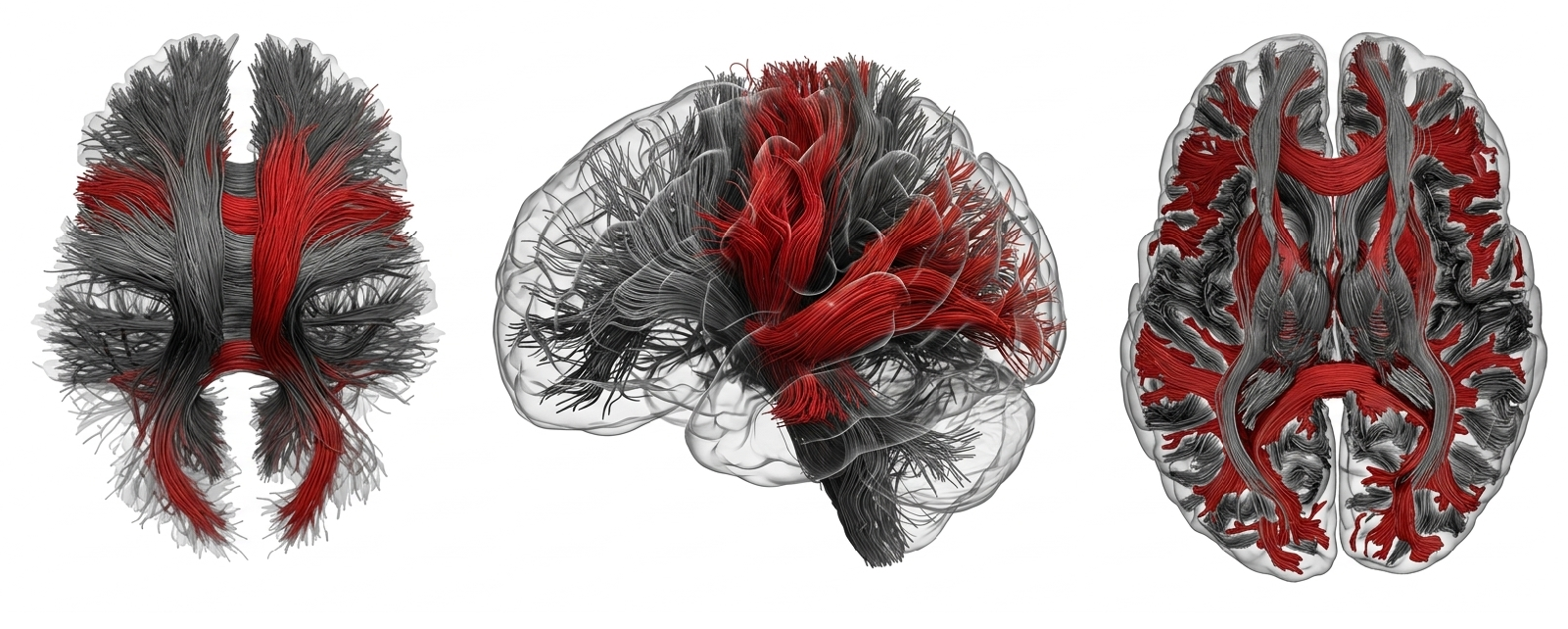
Essential tremor, the most common form, involves disrupted signaling in the cerebellum and its connections to the motor cortex. Neurological conditions affecting the basal ganglia and dopaminergic pathways contribute to tremors in other presentations. Chronic stress and sustained nervous system dysregulation can exacerbate tremor severity and frequency over time. Medication side effects disrupt neural signaling in ways that produce or worsen tremor in some individuals. Thyroid dysfunction and metabolic imbalances affect the neurological environment in which tremor patterns develop. Anxiety and heightened nervous system arousal consistently amplify existing tremor. And in many cases, the tremor pattern reflects accumulated disruption across multiple neural pathways simultaneously rather than a single identifiable cause.
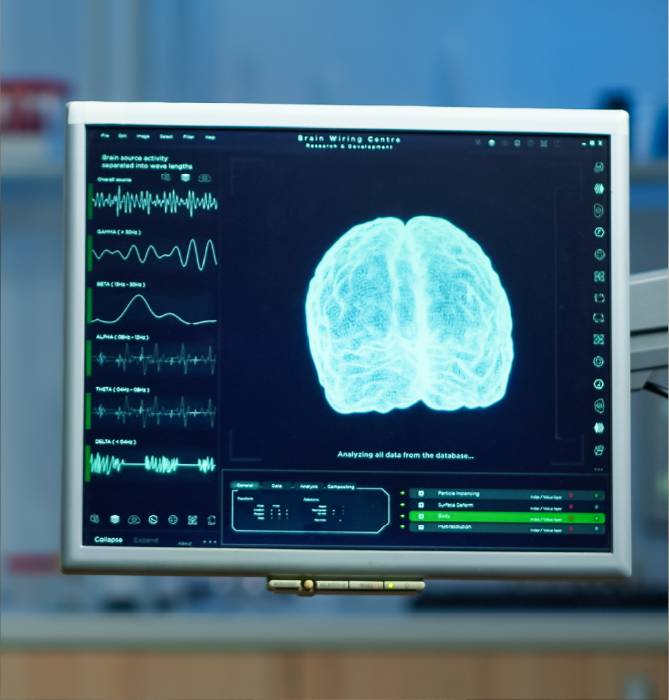
How The Finery Approaches Tremors
Tremors are a signal. Not a definition.
What they signal is a nervous system whose capacity to coordinate and regulate precise motor communication has become compromised. The pathways responsible for sending clear, intentional signals from the brain to the body are not functioning with the precision and efficiency that controlled movement requires.
At The Finery, we focus on those pathways directly. Not on suppressing the tremor as a symptom but on understanding and addressing the neural communication disruption that produces it.
How NPI Supports Improvement
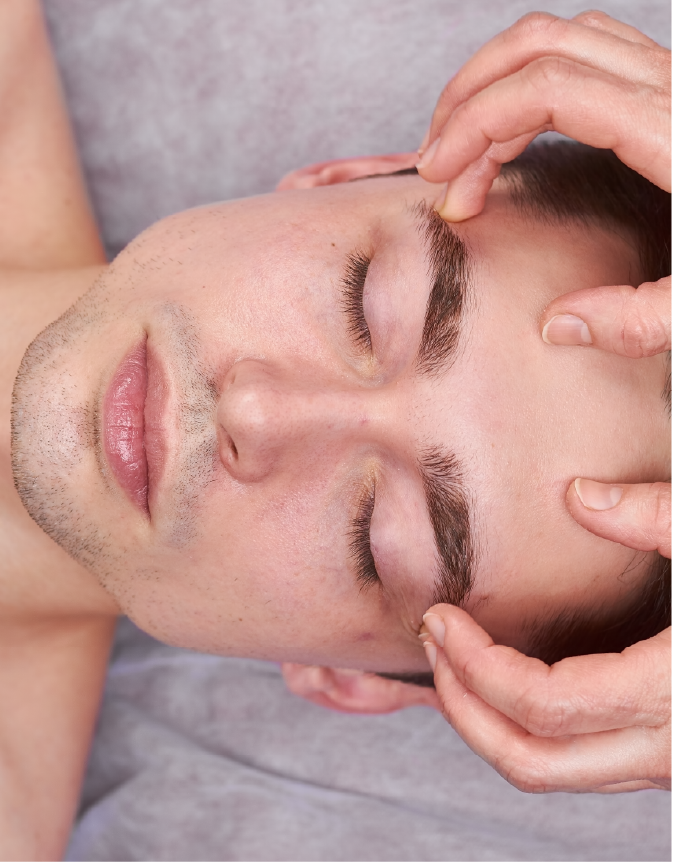
Neural Pathway Integration (NPI), created by Dr. Eric Rawlin over two decades of dedicated clinical practice, works directly with the neural pathways identified through the scan. Through precise, non-invasive, hands-on input, NPI supports the nervous system in reestablishing clearer and more coordinated communication across the motor pathways that tremor disrupts.
As the integrity of those pathways improves and the brain's ability to send precise motor signals strengthens, the neurological conditions that sustain the tremor pattern begin to shift. The nervous system becomes better resourced to regulate movement. The disrupted signaling that produces involuntary movement has less of a hold. And the body begins to respond more accurately to what the brain is actually intending.
What the Cognitive Acuity Scan Reveals
The Cognitive Acuity Scan analyzes thirty-three white matter markers inside the brain using advanced diffusion tensor imaging technology. For someone living with tremors, the scan provides a precise picture of where the neural pathways governing motor coordination, cerebellar signaling, and movement regulation have become compromised.
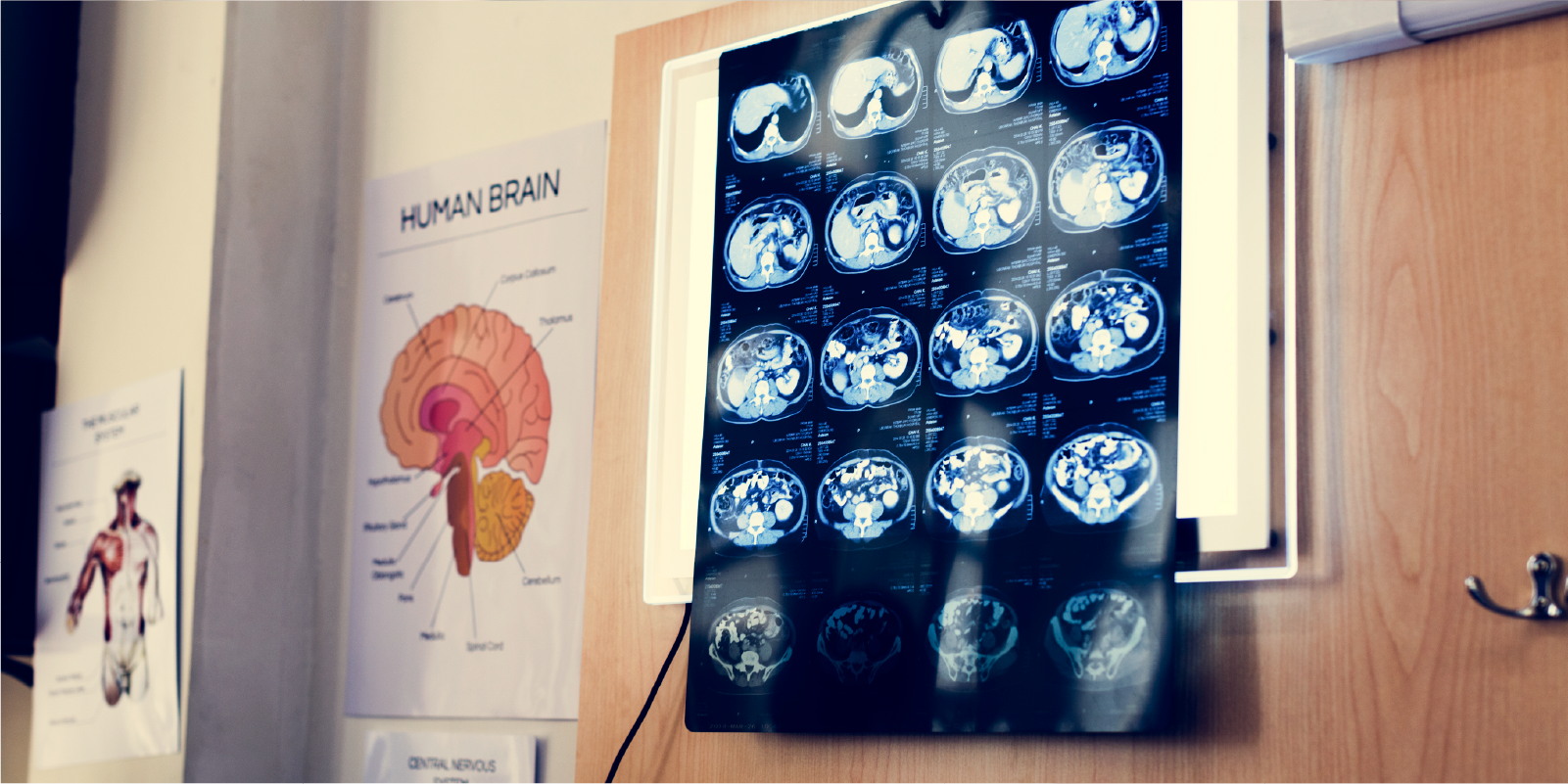
The scan gives Dr. Rawlin a precise and clinically specific picture of what is happening inside the brain that standard neurological evaluations are not designed to reveal. That specificity is what makes targeted and meaningful intervention possible.

What Clients Often Notice
Every person's experience with tremors is individual, and every response to care reflects the unique nature of their neurological profile. What clients living with tremors often notice over the course of care includes a reduction in the frequency or amplitude of tremor episodes, greater steadiness in the hands and limbs during tasks that previously required significant concentration and compensation. An increased sense of ease and confidence in daily activities, including writing, eating, and handling objects. Reduced tremor severity during periods of stress or fatigue that previously amplified symptoms significantly.
A feeling of greater neurological steadiness overall, as though the nervous system is operating with less internal interference. And a quiet but meaningful return of confidence in the body's ability to respond to what the mind intends.
These are not outcomes we promise. They are what clients have shared, and they reflect what becomes possible when the neural communication underlying tremor patterns is given the precise and invested support it needs.
Find Out How We Can Help You
At The Finery, every person who walks through our door is met with the same commitment. To look deeper than the symptom, to understand what the brain is actually showing us, and to apply the most precise and invested clinical care available to support meaningful and lasting improvement. Your finest health is what we care about. And it begins with giving your brain what it needs to lead the way.
If what you have read resonates with what you are experiencing, there are several ways to take the next step with The Finery.

Start with the quiz.
Take the Cognitive Acuity Quiz at theFineryus.com to discover how your brain is functioning across ten key markers of optimal health. It takes two minutes, it is free, and it gives you a meaningful starting point for understanding what may be contributing to what you are experiencing.
Take the Quiz
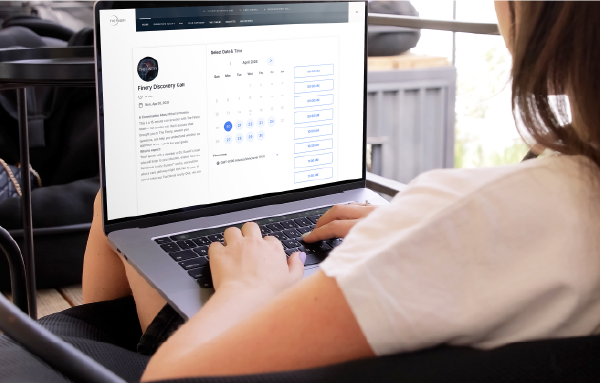
Speak directly with Dr. Rawlin.
Book a Discovery Call at theFineryus.com to have a genuine conversation about your situation, your symptoms, and how The Finery's approach may be able to support you. No obligations and no pressure. Simply the most informed conversation about your health you have had access to.
Book Discovery Call
The science behind how
you actually feel.
you actually feel.
Monthly from Dr. Rawlin.


